
Pioneer Village at Spring Mill State Park
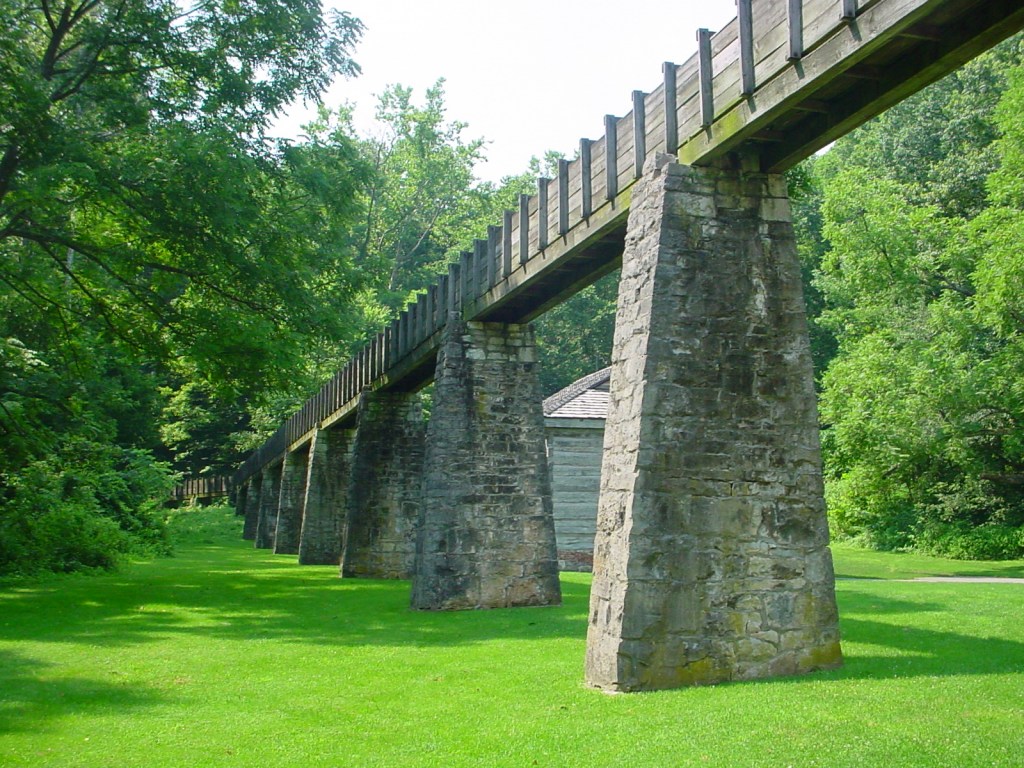
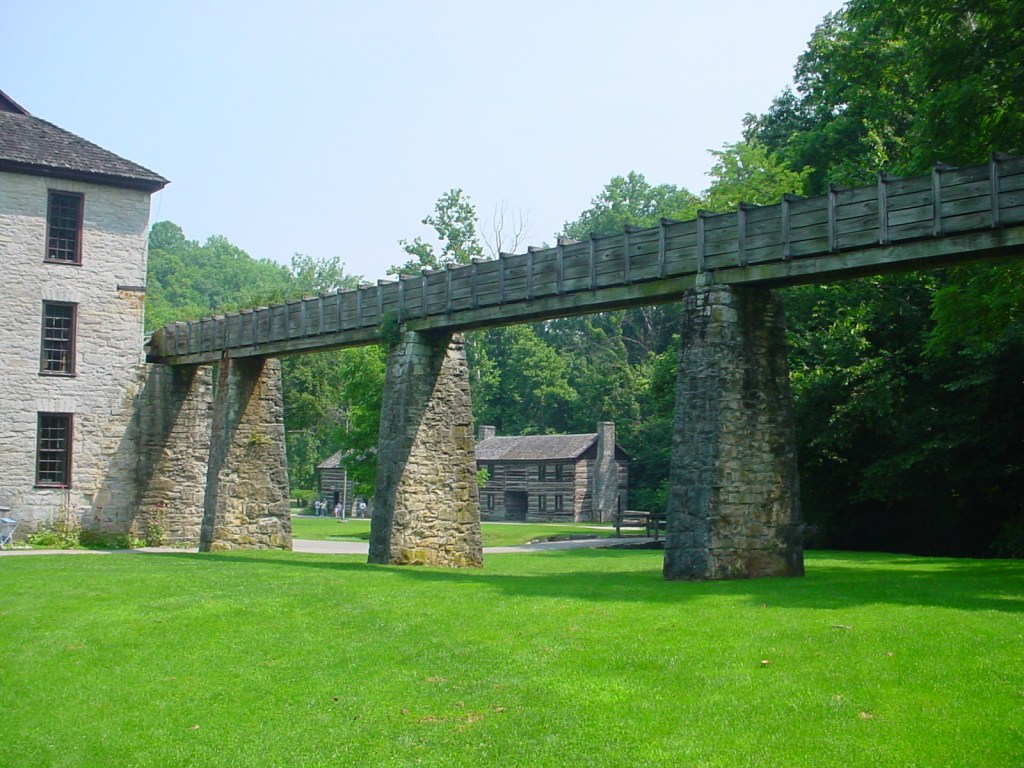
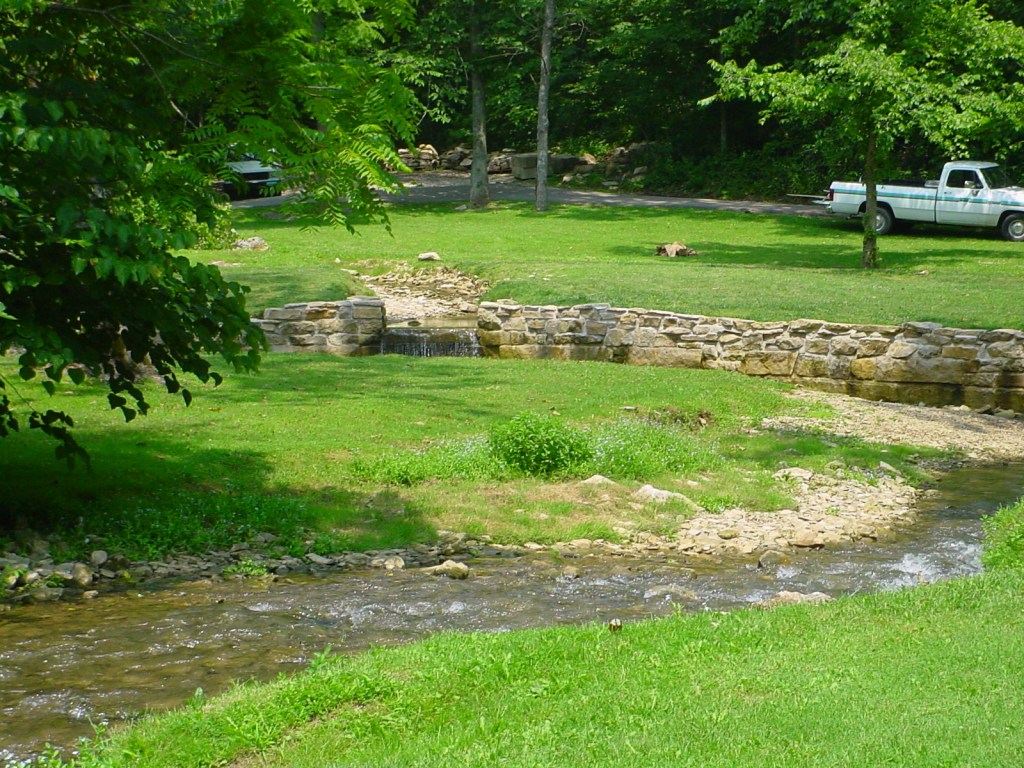
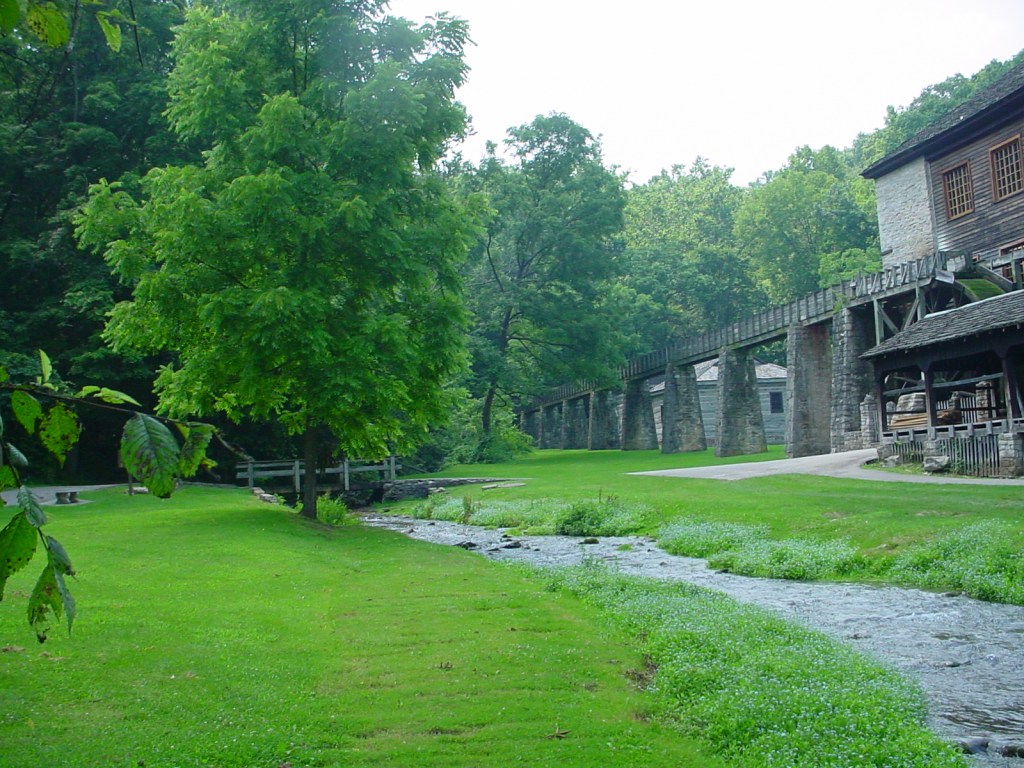
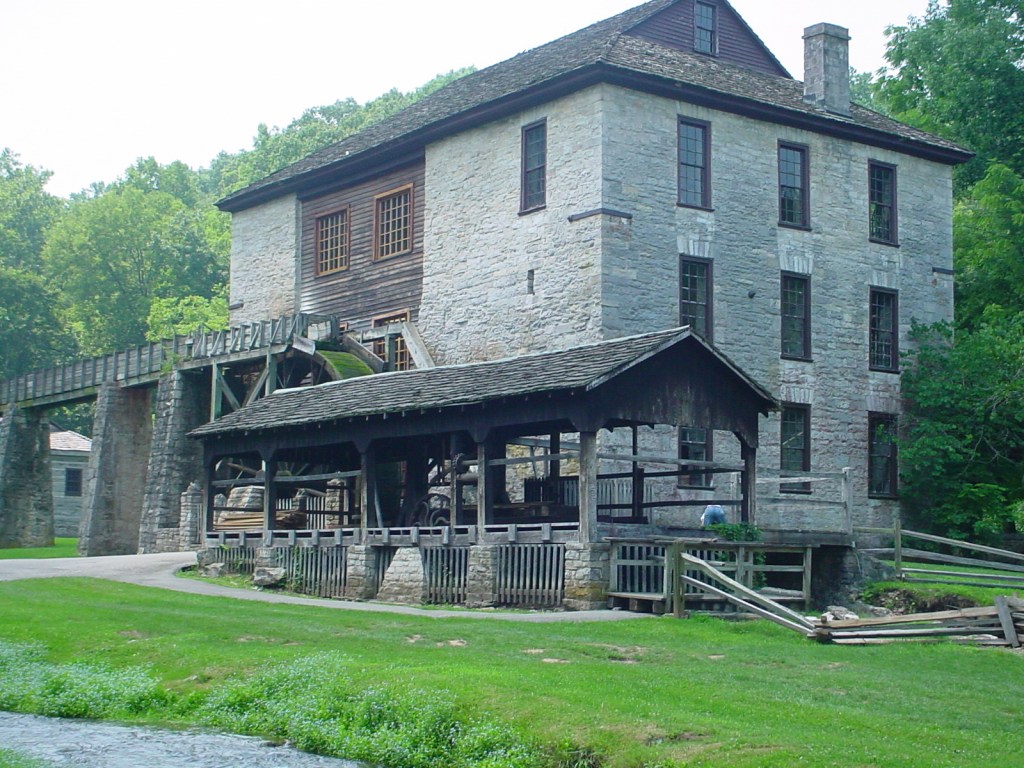
Early pioneers in Indiana founded the village of Spring Mill in 1814. The copious amounts of water that flowed from local caves encouraged them to build a gristmill using the water to power the mill. In 1817 Hugh Hamer, the mill’s owner, built a bigger mill on the site. This gristmill was a three-story limestone structure and is the mill that exists in the Pioneer Village today. Since farmers had to bring their grain to the mill for grinding, the mill became a place for neighbors to meet and gossip as the millstones converted their grain into meal and flour. A village developed around the mill and by 1850 Spring Mill was a bustling community. The mill operated from 1817 until 1892. Steam powered portable mills replaced the gristmills, and the need for a water-powered mill died away.
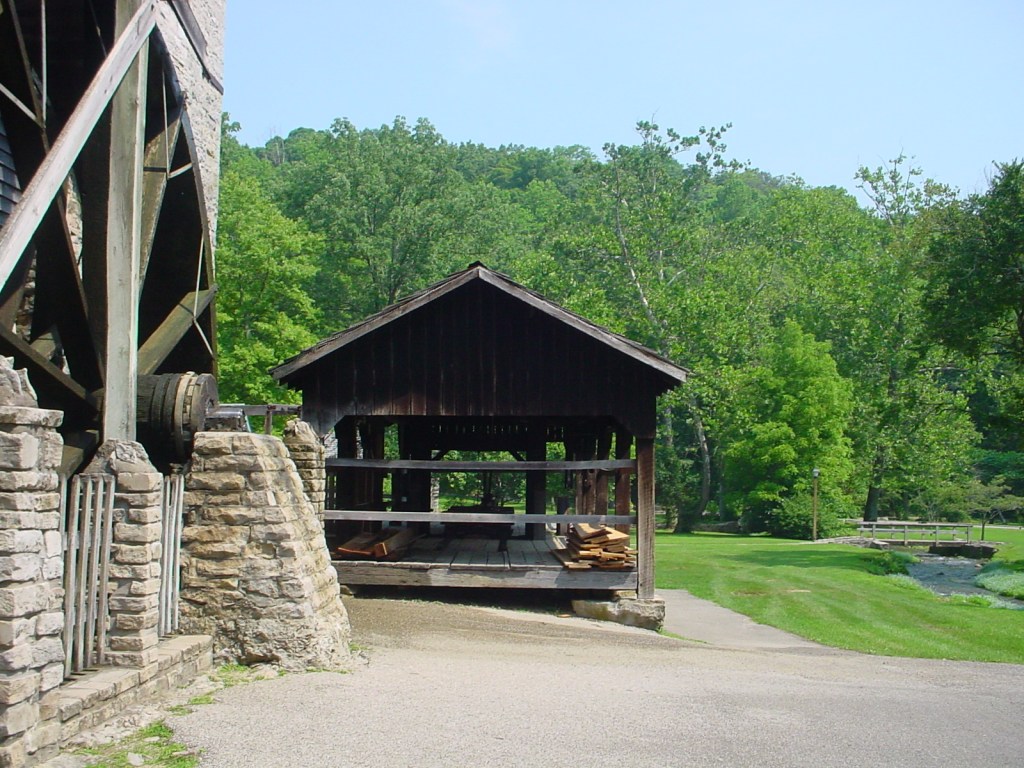
New ownership of the mill in 1824 brought the addition of the sawmill. This increased the usefulness and the revenue of the mill. Two developments brought about the decline of Spring Mill. The railroad bypassed the town, due to the steep hills making it difficult to build a rail line through the town. Steam power rose as a more portable power source. Steam powered gristmills and sawmills released the need to locate a mill near a water source. Two rail lines intersected at the spot Mitchell grew up in, and Spring Mill went into a decline. By the late 1890’s the population of the village had abandoned it. The buildings and mill, neglected, deteriorated.
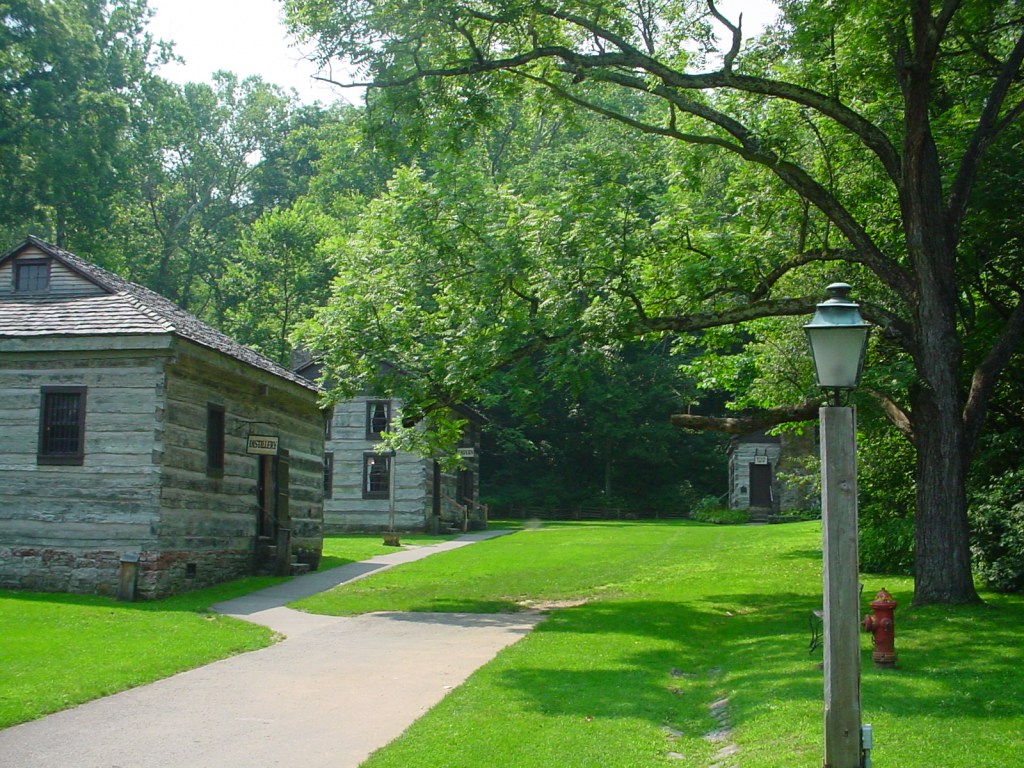
The State acquired the property in the late 1920’s. The property was to form a new State Park. Many of the structures had deteriorated beyond repair. the water wheel and sawmill had disappeared. Extensive research, renovation and educated guesses have resulted in the Pioneer Village visitors enjoy today. Many of the structures, including the Mill, Spring House, Nursery/School House and Summer Kitchen still occupy the ground on which they were built. Others have been dissembled and moved from other locations. During the summer months interpreter’s staff, the buildings dressed in period costumes, working at the tasks they would have performed in the nineteenth Century. The mill wheel grinds corn and the sawmill saws logs. Corn meal ground on the wheel is available for purchase inside the mill and at Spring Mill Inn.
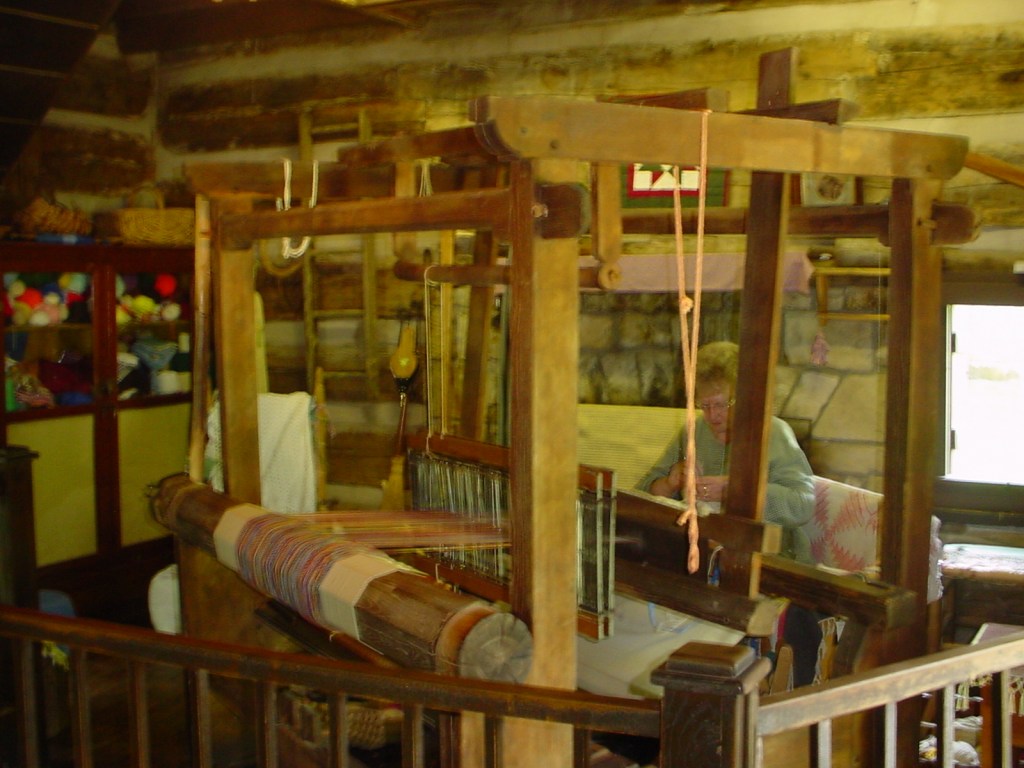
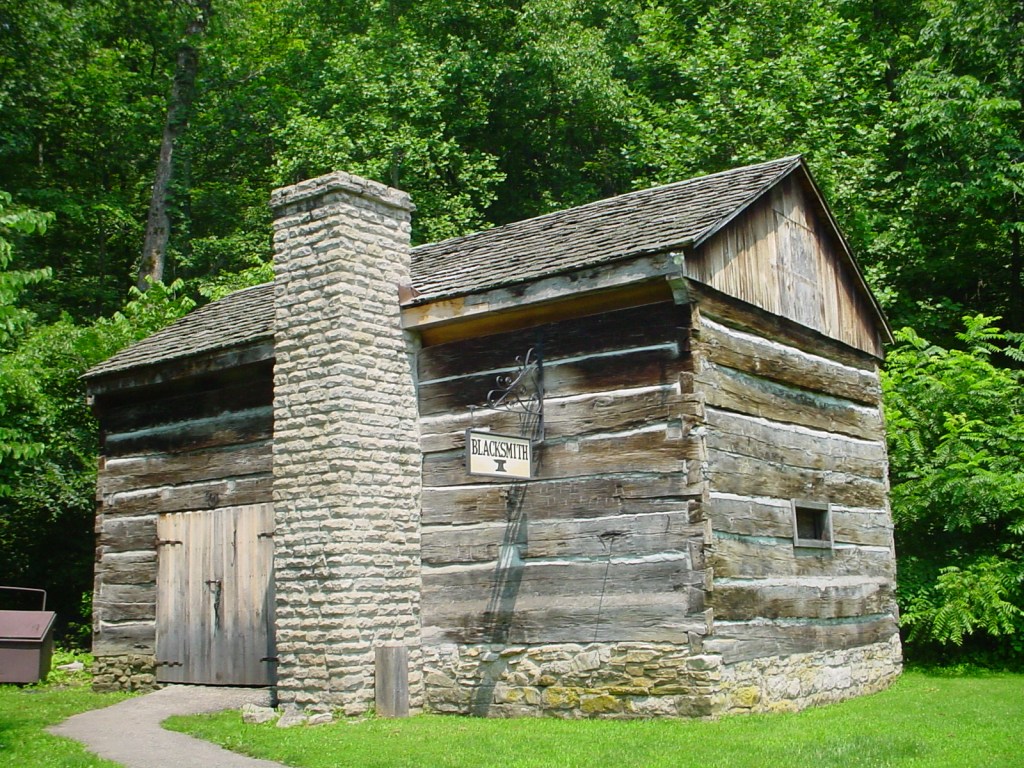
Other shops include a weaving loom, woodworker, leather maker, blacksmith and potter. A gardener maintains a garden that grows the vegetables and herbs the people used during that time. An apothecary shop is stocked with the herbs and other medicines used by doctors in the 1800’s.
The park can get quite busy during the summer months, as Spring Mill is one of Indiana’s most popular parks. The author has visited Spring Mill with his wife many times and will visit again. It is a fascinating place to visit, even in the off season. the mill tends to run longer than the other exhibits, but the entire operation shuts down my mid-October. There are over twenty structures in the village, and it is a restful place to visit, even when busy.

 Mossy Feet Books - Author Paul R. Wonning