
Columbus Begins his Historic Voyage
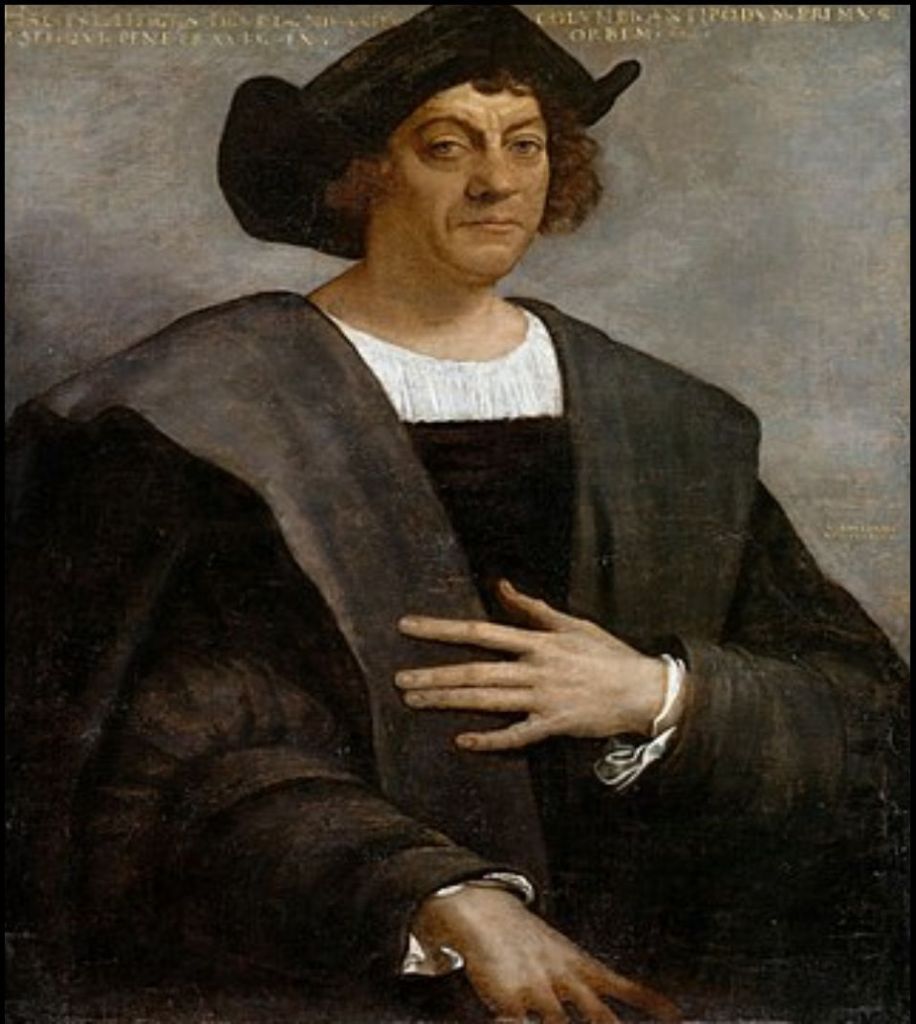
Greetings, today we join Christopher Columbus as he begins his monumental voyage across the Atlantic.
Colonial American History Stories – 1215 – 1664
Transcript ;
Columbus began planning the voyage almost immediately. He would sail from the Spanish port city of Palos os de la Frontera. The main occupation of this port was fishing. Queen Isabella required the populace of the town to cooperate with Columbus.
Martín Alonso Pinzón and his brother Vicente Yáñez Pinzón were instrumental in aiding Columbus in the task. The small flotilla would consist of 3 ships, the Nina, the Pinta and the Santa Maria.
The Santa Maria was the largest of the 3 ships. Owned by Juan de la Cosa, the ship was a type of ship called a carrack. These ships were used for longer voyages and had either 3 or 4 masts. It would have been about 58 feet long, 18 feet wide with a draft of about 10 feet. The crew would have numbered about 40 men. Columbus would command this ship.
The Pinta was the fastest ship. It was a caravel and would have had 2 masts. The Spanish used these ships for exploration. The ship would have been about 56 feet long with a berth of about 17 feet. It had a draft of about 8 feet and would have carried a crew of about 8 feet.
The Nina
Also a caravel, the Nina was about 50 feet long with a berth of 16 feet wide. It had a draft of about 7 feet and carried a crew of 24. The Nina became Columbus’ favorite ship.
The fleet set sail on August 3, 1492
The rudder on the Pinta broke, necessitating that the crew make makeshift repairs by securing it with ropes. The repairs lasted until the ships reached their first destination, the Canary Islands on August 12, 1492. Columbus and his crew would remain on the island for a month, allowing workmen to repair the rudder and to re-rig the Nina’s sails. The ships departed on September 6, 1492 on September 6, 1492. Columbus’ stop in the Canaries would begin a long tradition of Spanish galleons stopping there on their way to the New World.
This episode is based upon my book, Colonial American History Stories – 1215 – 1664. The articles in the book relate much more detail in the saga of Ferdinand and Isabella as well as the Spanish conquest of the Canary Islands. The book is the first in a 7-volume series. This book includes almost 300 history stories presented in a timeline that begins in 1215 with the signing of the Magna Carta to the printing of the first Bible in Colonial America in 1664. This journal of historical events marks the beginnings of the United States and serve as a wonderful guide of American history. A visit to my web site, http://www.mossyfeetbooks.com, will provide sample chapters excerpted from each of my 130 titles as well as links to purchase the books at Amazon, Barnes and Noble, Apple, and many other online book retailers. While you are on the web site, subscribe to it by registering your email address in the subscribe button. I will now email you, however whenever I post something on the web site you will receive an email. I post about 3 – 5 times weekly on the site. The posts include podcast episodes, You Tube videos as well as other content. You also receive a notice of when I publish a book, which is about 8 – 10 times per year. You can also purchase books direct from me. Residents of southeastern Indiana can find my books in Batesville at the Walnut Street Variety Shoppe on George. Street. This podcast will also appear in video format on You Tube on the Mossy Feet Books channel. Subscribe to the channel for more great content, or subscribe to my Facebook Page, Stories of American History.
I hope you enjoyed this podcast and thank you for listening.

 Mossy Feet Books - Author Paul R. Wonning