
David Lenz House and Garden
Today’s episode is about the David Lenz House and Garden.
From the Book
Southwest Indiana Day Trips
Transcript:
Greetings, today’s episode is about the David Lenz House and Garden.
Before getting started, I would encourage you to subscribe to the Mossy Feet Books You Tube channel for more great content. If you like my videos, please hit the “Like,” button. The more likes I get the more You Tube will show it to other people, allowing me to grow the channel. I also entreat you to visit my website, http://www.mossyfeetbooks.com. There you will find sample chapters, podcasts, a slew of content and links to where you can buy my books. While visiting the web site you can subscribe to it and receive email notifications of when I publish a new book or other content, like this video and podcast. This episode is based on my book, Southwest Indiana Road Trips.
David Lenz House and Garden
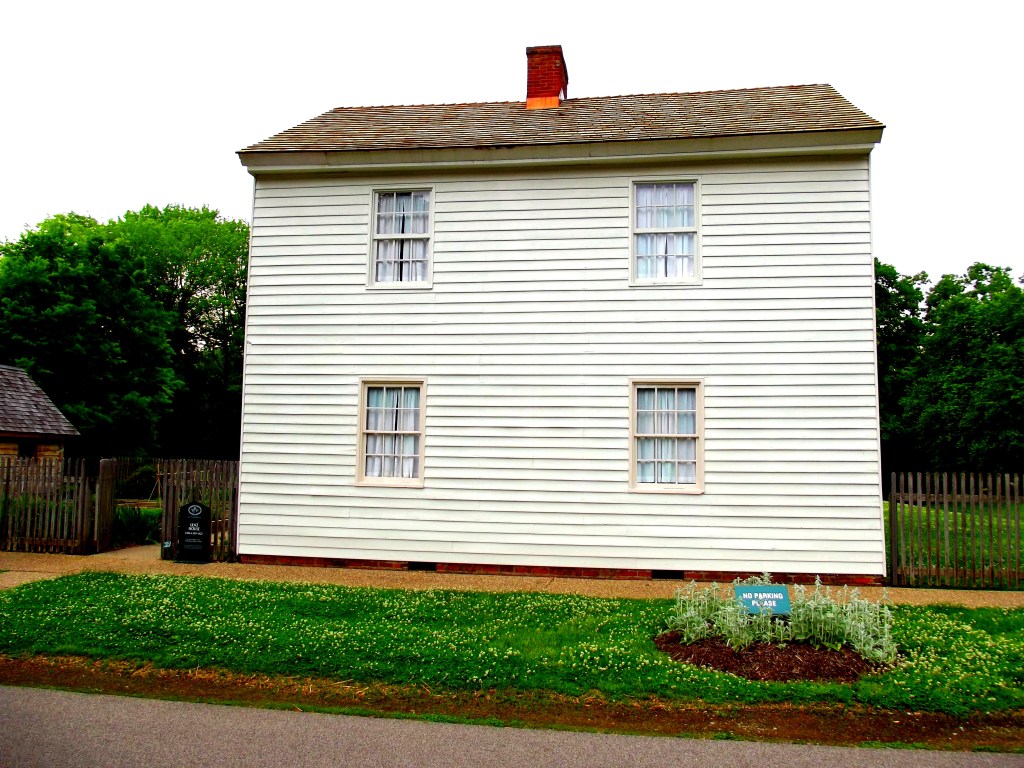
Visitors will find the David Lenz House and Garden on North Street. The house is closed to the public, unless you take a guided tour, but the gardens are open to browse. Construction of the house occurred around 1819 by David Lenz.
David Lenz (March 17, 1769 – August 31, 1822)
History has recorded little of Lenz, except that he was an attorney and farmer and was born in Germany. He migrated to Harmony, Pennsylvannia. His wife’s name was Christina and they had 3 sons. He is interred at the Harmonist Cemetery, New Harmony, Posey County, Indiana.
Pioneer Garden
The layout of the gardens depicts the vegetable and flower crops that the Harmonists would have grown. In the raised beds, visitors will find pole beans for drying, cabbage and cucumbers. The herbs served as medicines, food flavorings and dyes.
The plants in the garden represent examples of the plants grown in a pioneer garden at the time. They include:
tansy was used to preserve meats and as an insect repellent
monarda or “bee balm”
horehound was used to make candy and teas
sweet woodruff
yarrow which was used as an astringent
borage
thyme
sage
summer savory
lavender
nasturtium
calendula
carnation
hollyhock
phlox
peonies
flowering quince
bleeding heart
straw flowers
The 2 story house was constructed using a Germanic post and beam technique. The house is not in its original location. The owner of the house was going to raze it to drill an oil well on the site. The owner donated it to the Indiana Society of the National Society of Colonial Dames of America, who had it moved to a grassy lot in New Harmony in 1958. It received a listing in the National Register of Historic Places in 1965. It has been restored to its original condition.
The Communal Oven
This oven is not original to New Harmony. Built in 1980, it is representative of the communal ovens that the Harmonists used around the town. Each family had a day assigned to use these public ovens. On that day, they would bake whatever bread, cakes and other baked goods for the household.
The episode is based upon my book, South Central Indiana Road Trips, available on the web site, http://www.mossyfeetbooks.com. The book is the first book in the 9 volume Road Trip Indiana Series. The books include all the historical markers, as of 2022, in Indiana with the text and back story. The books also include a nearly complete listing of virtually every tourism destination in the state. The destinations include parks, museums, drive in theaters, bowling alleys, wineries and much, much more. I encourage you to visit the web site and subscribe to it.
You can find my books locally at the Walnut Street Variety Shop in Batesville, Indiana.
I hope you enjoyed this podcast and thank you for listening.

 Mossy Feet Books - Author Paul R. Wonning