
The New England Earthquake of 1638 – Like Elvis, the Pilgrims Were All Shook Up
Today I will talk about the first recorded earthquake felt by New England colonists. History lovers and buffs will enjoy this episode of US History.
From the Book:
Colonial American History Stories – 1215 – 1664
Greetings, today I will talk about the first recorded earthquake felt by New England colonists.
For a terrifying four minutes, the ground shook as chimneys fell and buildings rattled. Then it passed.
Before getting started, I would encourage you to subscribe to the Mossy Feet Books You Tube channel for more great content. If you like my videos, please hit the “Like,” button. The more likes I get the more You Tube will show it to other people, allowing me to grow the channel. I I also entreat you to visit my website, http://www.mossyfeetbooks.com. There you will find sample chapters, podcasts, a slew of content and links to where you can buy my books. While visiting the web site you can subscribe to it and receive email notifications of when I publish a new book or other content, like this video and podcast. This episode is based on my book, Colonial American History Stories 1215 – 1665.
The Earthquake
It was a sunny, warm and pleasant day in New England. The colonists were involved in their normal, everyday activities. In Plymouth, some of the settlers had adjourned a meeting to discuss a proposed migration to another area. In Newberry, Massachusetts, the town residents were attending a town meeting. Farmers worked in their fields and wives tended their chores. Sometime between one and two o’clock a curious, low rumble began in the north. The rumble increased, like low thunder as it approached. People paused in their tracks, wondering at the sound.
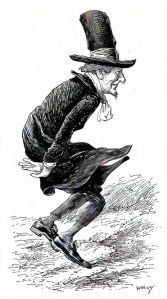
Then the ground began to shake. People staggered about like a sudden epidemic of drunkenness had afflicted everyone at the same time. The great, stone chimneys on many houses shook apart and fell. In the harbors, the ships bobbed about on the quivering sea and islands shook with the same intensity as the mainland. The shaking lasted about four minutes before subsiding. Disquieted, the people resumed their tasks. About half an hour later, an aftershock hit. Though not as intense or as long, it caused further alarm. These aftershocks continued for about twenty days.
William Bradford recorded this earthquake in his history, Bradford’s History
“”This year (1638) aboute ye 1. or 2. of June was a great & fearfull earthquake; it was in this place heard before it was felte. It came with a rumbling noyse, or low murmure like unto remoate thunder: it camie from ye norward, & pased southward. As ye noyse aproched nerer, the earth begane to shake and came at length with that violence as caused platters, dishes, & such like things as stoode upon shelves, to clatter and fall downe; yea persons were afraid of ye houses them selves. It so fell oute yt at ye same time diverse of ye cheefe of this towne were mett together at one house, conferring with some of their fiiends that were upon their removall from ye place, (as if ye Lord would herby show ye signs of his displeasure, in their shaking a peeces & removalls one from an other.) However it was very terrible for ye time, and as ye men were set talking in ye house, some women & others were without ye doors, and ye earth shooke with yt violence as they could not stand without catching hould of ye posts & pails yt stood next them; but ye violence lasted not long. And about halfe an hower, or less, came an other noyse & shaking, but nether so loud nor strong as ye former, but quickly passed over, and so it ceased. It was not only on ye seacoast, but ye Indeans felt it within land; and some ships that were upon ye coast were shaken by it. So powerfull is ye mighty hand of ye Lord, as to make both the earth & sea to shake, and the mountaines to tremble before him when he pleases; and who can stay his hand? It was observed that ye somers, for divers yeares togeather after this earthquake were not so hot & seasonable for ye ripning of corne & other fruits as formerly; but more could & moyst, & subject to erly & untimely frosts, by which, many times, much Indean corne came not to maturitie; but whether this was any cause, I leave it to naturallists to judge.”
Edward Johnson – Wonder-working Providence of Sion’s Saviour in New England
Edward Johnson, founder of Woford, Massachusetts, recorded this:
“This yeare, the first day of the Fourth Month, about two of the clock in the afternoone, the Lord caus’d a great and terrible Earthquake, which was general throughout all the English Plantations; the motion of the earth was such, that it caused divers men (that had never known an Earthquake before) being at work in the Fields, to cast downe their working tooles, and run with gastly, terrified lookes, to the next company they could meet withall; it came from the Westerne and uninhabited parts of this Wildernesse, and went the direct course.”
John Winthrop – History of New England
John Winthrop had been deathly ill in the days preceding the earthquake. He recorded it as happening a bit later in the day. His account:
“Between three and four in the afternoon, being clear, warm weather, the wind westerly, there was a great earthquake. It came with a noise like a continued thunder, or the rattling of coaches in London, but was presently gone. It was at Connecticut, at Narragansett, at Pascataquack, and all the parts round about. It shook the ships which rode in the harbor, and all the islands. The noise and the shakings continued about four minutes. The earth was unquiet twenty days after by times.”
Anne Hutchinson
Anne Hutchinson, just exiled to Rhode Island, wrote:
“The course of it was from west to east. It shook the ships, threw down the tops of chimnies, and rattled the pewter from the shelves.”
The earthquake’s epicenter was in New Hampshire and people all over New England felt it. The Amerindian tribes reported it far inland and colonists in Canada related accounts of it. Modern seismologists estimate that it was a powerful earthquake, in the range of 6.5 – 7.0 on the Richter Scale.
The episode is based upon my book, Colonial American History Stories – 1215 – 1664, available on the web site, http://www.mossyfeetbooks.com. The book is the first book in the 6 volume Timeline of United States History Series . Discover some of the famous and almost forgotten historic stories of America. The story begins with the signing of the Magna Carta in 1215 and the beginnings of the concept of limited government and ends, for now, with the beginning of the American Revolution in 1775. The articles in the book have much more detail as well as articles not included in this podcast series.

 Mossy Feet Books - Author Paul R. Wonning